
The City Beautiful movement, popularized by the gleaming White City of the 1893 World’s Fair in Chicago, made our cities more beautiful, but did it make them more livable?
With poverty and pollution overwhelming cities in the late 19th century, the City Beautiful was seen as a way to not only make cities more attractive but also to promote civic values with the expectation that this would improve the quality of urban life. It was also a way for newer North American cities to emulate more established European ones.
We look at what’s been tried in the past to make cities better places to provide context for the rest of the series.
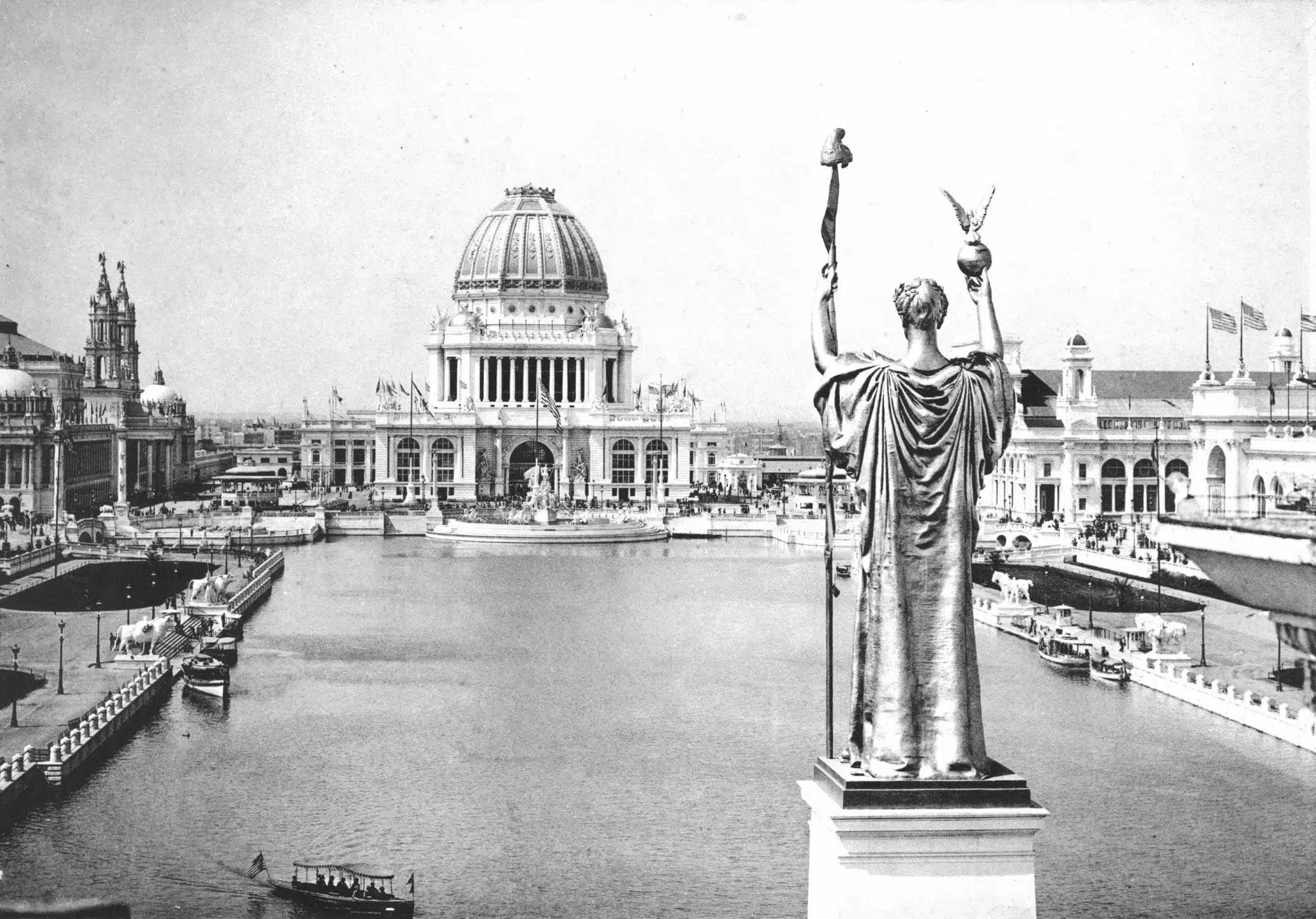
The 1893 Chicago Fair was the result of a collaboration between two titans of the urban design world, architect Daniel Burnham and landscape architect Frederick Law Olmsted, and is considered the birth of modern city planning in North America.
Notable examples of the City Beautiful’s legacy are the Capitol Mall in Washington DC as well as Civic Centers in Cleveland, Denver, and San Francisco. And there’s also the Benjamin Franklin Parkway in Philadelphia, modeled on a grand Parisian boulevard.
But did it work? While we still admire the beauty and grandeur of what was built and the aspirational messages that were sent, the City Beautiful movement had little effect on the shaping of cities in the 20th century.
After watching Saving the City, you will never look at cities in the same way again. And we hope you will be inspired to act and encourage others to act to make a difference in your local communities.
Check out our work and let us know what you think, suggest stories and introduce us to people we should know about.
Meet David Brownlee, Art History Professor and Architectural Historian at the University of Pennsylvania, discussing the City Beautiful movement. Watch more videos.